prostate-miracle
prostate miracle prostatemiracle
saw-palmetto
saw palmetto

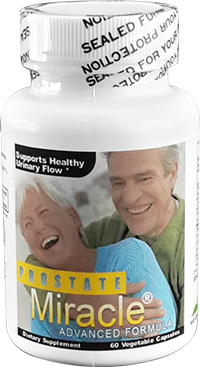
Prostate Miracle®

As low as $15.95/bottle
sawpalmetto
                • 95% Effective Natural Treatment
                  for an Enlarged Prostate
prostate
                • 3,000 Times More Powerful
                  than Saw Palmetto
prostrate
enlarged-prostate Order Online

Our Products
enlarged prostate
Home Page

Order Online
or Call Toll FREE: 1-877-965-2140
Watch Prostate Enlargement Video
About The Prostate
Beta Sitosterol
Saw Palmetto
Selenium
Testimonials
Compare Prostate Formulas
FAQ
Print-Friendly Version
Próstata Vital (Español)
Links
Contact Us
Affiliate Program
Order Now

Beta-Sitosterol Research

Beta-sitosterol is the miraculous common denominator found in saw palmetto, pygeum africanum, pumpkinseed oil and stinging nettles. However, the concentration of beta sitosterol in these herbs is very small . . . at best . . . a mere 3,000th of the amount found in Prostate Miracle®. Beta-sitosterol is also found in common foods we eat every day but in even smaller amounts than the above mentioned herbs. The chemical structure of beta-sitosterol is similar to that of cholesterol . . . the main difference being the presence of an extra ethyl group. Beta-sitosterol is completely safe and without any side effects.
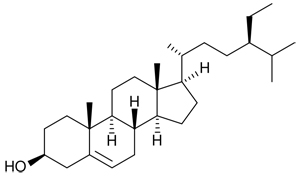
beta-sitosterol


Numerous international scientific journals (European Patent EP 287,2000; European Journal of Drug Metab., 1997; International Journal of Immunopharmacol, 1996; Anticancer Research, 1996; The Lancet, 1995; European Urology, 1994 and 1992; Minerva Urologia, 1985; British Journal of Clinical Pharmacology, 1984; Medizinische Klinik, 1982; and Fortsher. Med., 1980) have published scientific studies that prove beta-sitosterol is an extremely effective, natural treatment for an enlarged prostate.

Exerpts from the following article (published by: LE Magazine Special Edition, Winter 2005/2006) summarize the latest beta sitosterol research . . . all of which validate the amazing effectiveness beta sitosterol has a treatment for BPH and other prostate ailments.

Beta-Sitosterol and the Aging Prostate Gland


by Stephen B. Strum, MD, FACP, and William Faloon

Prostate disorders wreak havoc on the majority of aging men. Scientists have identified nutrients and drugs that alleviate symptoms of benign enlargement and reduce prostate cancer risk.

A plant extract called beta-sitosterol may be of particular benefit. Published studies indicate that beta-sitosterol consistently improves urinary symptoms related to prostate enlargement.

For the past several decades, European doctors have routinely prescribed a variety of plant-based drugs to treat benign prostate enlargement and lower urinary tract symptoms. Saw palmetto, pygeum, and nettle root extracts are common plant-based drugs prescribed to millions of men in Europe.

Consumers in the U.S. have open access to these same nutrients that are approved as drugs in Europe to combat urinary symptoms of benign prostate enlargement.

Beta-sitosterol is a plant fat contained in several European prostate drugs, though it is not routinely used in the United States. Multiple randomized studies have confirmed the efficacy of beta-sitosterol in alleviating the types of prostate discomfort that aging men so frequently encounter.

Measuring Symptoms of Prostate Enlargement

In order for scientists around the world to evaluate the efficacy of a particular therapy, certain testing standards have been established.

One of the most common standards is the International Prostate Symptom Score (IPSS). The score is stated as a number that can range from 0 to 35, depending on the severity of lower urinary tract symptoms. The International Prostate Symptom Score also includes a scoring of quality of life as it relates to urinary symptoms.

A measurement to assess the strength of the urinary stream is called the maximum urinary flow rate (Qmax). The maximum urinary flow is commonly decreased with benign prostate disease such as BPH (benign prostatic hyperplasia).

The third test is the amount of residual urine that remains in the bladder after voiding, or post-void residual urine (PVR). This is most easily assessed with pre- and post-void ultrasounds of the bladder.

beta sitosterol
Figure 1. International Prostate Symptom Scores (IPSS): Beta-Sitosterol vs. Placebo. Data comparing men treated with beta-sitosterol to those receiving placebo indicate a significant decrease in symptom scores in the beta-sitosterol group after three and six months of treatment.3 In a follow-up study, these improvements were maintained for an additional 18 months of observation.4

Remarkable Effects of Beta-Sitosterol

In a randomized, double-blind, placebo-controlled, multicenter study of 200 men with benign prostate enlargement, half the group received 180 mg of beta-sitosterol daily, while the other half received placebo.

After six months, the beta-sitosterol group saw improvement in the International Prostate Symptom Score, the measurement of urine flow (Qmax), and the amount of residual urine remaining in the bladder (PVR).1

The beta-sitosterol group showed a 7.4-point decrease in the International Prostate Symptom Score, compared to a decrease of only 2.1 points in the placebo group. This was a significant 3.5-fold improvement in the men taking beta-sitosterol (Figure 1).1

The measurement of urinary flow increased to an average of 15.2 milliliters (ml) per second from 9.9 ml/second in the men receiving beta- sitosterol. The placebo group only increased to 11.4 ml/second from 10.2 ml/second at baseline. Urinary flow thus improved almost 35% in the group taking beta-sitosterol, compared to only 11% in the placebo group.1

Most remarkably, residual urine in the bladder decreased to 30.4 ml from 65.8 ml in the men using beta-sitosterol ... a reduction of almost 54%! In the placebo group, residual bladder urine declined from 64.8 ml to 54.3 ml ... a reduction of only around 16%. 1

In a follow-up study that evaluated durability of response to beta-sitosterol, the beneficial effects for beta-sitosterol were found to be maintained during an additional 18 months of observation.2

Figure 1 shows the significant difference in the International Prostate Symptom Score in men receiving beta-sitosterol compared to placebo.

Benefits of Beta-Sitosterol Confirmed

To confirm these remarkable effects of beta-sitosterol, another study was performed and the results were published in the British Journal of Urology. The study involved 177 patients with benign prostate enlargement. Patients received 130 mg of beta-sitosterol each day and were monitored for more than six months. Measurements of the International Prostate Symptom Score, urinary flow, and residual urine in the bladder after voiding were recorded.3

On average, urinary flow values increased by 4.5 ml/second while residual urine volumes decreased by a substantial 33.5 ml. The International Prostate Symptom Scores showed a statistically significant improvement. These results with beta-sitosterol are comparable to those seen with the commonly prescribed drug Proscar®, used to treat benign prostate enlargement.3

beta-sitosterol-complex
Table 1 Summary of Key Randomized Studies of Beta-Sitosterol in BPH Patients. Effects of beta-sitosterol on the International Prostate Symptom Score (IPSS), maximum urinary flow rate (Qmax), and post-void residual volume (PVR) are remarkably consistent. The study by Wilt and colleagues7 examined four different randomized studies.

Two years later, a review of all existing studies of beta-sitosterol in the treatment of benign prostate enlargement was conducted. The researchers identified randomized, placebo-controlled, double-blind trials involving a total of 519 men. In three of the trials, beta-sitosterol was used, and in one trial, a glucoside of beta-sitosterol was used. In these studies, beta-sitosterol improved urinary symptom scores and urinary flow rates, and significantly reduced the volume of residual urine in the bladder.4,5 Table 1 summarizes some of the randomized studies of beta-sitosterol in the treatment of BPH.

The magnitude of reduction in prostate symptoms and improvement in urinary flow rates is a strong incentive for the use of beta-sitosterol, either alone or in combination with standard pharmacologic interventions such as alpha-adrenergic blockers (Cardura®, Hytrin®, Uroxatral®, Flomax®) or 5-alpha reductase inhibitors (Proscar®, Avodart®).

Beta-Sitosterol and Prostate Cancer

A study using the prostate cancer cell line LNCaP (an androgen dependent tumor) showed that beta-sitosterol decreased cancer cell growth by 24% and induced apoptosis (programmed cell death) four-fold. These findings were correlated with a 50% increase in ceramide production.6 Research suggests that ceramide, an important component of the cell membrane, induces apopotosis.7

Phytosterol
Figure 2. Effects of Phytosterol (Beta-Sitosterol + Campesterol) Mixture on PC-3 Cancer Cell Behavior. The phytosterol mixture significantly reduced PC-3 cell growth, invasiveness, migration, and binding, compared to cholesterol.10

Growth of the human prostate cancer PC-3 cell line (androgen independent) implanted in mice was compared in two groups receiving either a 2% phytosterol mixture or a cholesterol mixture. In the in vitro studies, both beta-sitosterol and campesterol inhibited the growth of PC-3 cells by 70% and 14%, respectively. Cholesterol supplementation, by contrast, increased the growth by 18% when compared with controls.8

Phytosterols inhibited the invasion of PC-3 cells into Matrigel-coated membranes by 78% (a measure of cancer invasiveness), while cholesterol increased it by 43% compared to the cells in the control media.8

Migration of tumor cells through 8-micron pore membranes (a measure of tumor motility) was reduced by 60-93% when the PC-3 cells were in phytosterol media, compared to a 67% increase after cholesterol supplementation.8

Phytosterol supplementation reduced the binding of PC-3 cells to laminin by 15-38% and to fibronectin by 23%, while cholesterol increased binding to type IV collagen (a measure of adhesiveness and ability to form tumor clumps) by 36%.8 The results are presented in Figure 2.

Table 2. Tumor Cell Lines and Effects of Phytosterols. Breast, prostate, and colon cancer cell lines showed significant decreases in cancer cell growth and tumor size after phytosterol administration. Metastases to lymph nodes and lungs were also decreased.

The researchers concluded that phytosterol indirectly (in vivo as a dietary supplement) and directly (in tissue culture media) inhibited the growth and metastasis of PC-3 cells. Beta-sitosterol was more effective than campesterol in offering this protection in most of the parameters studied.8 Results of this study and other cell line trials involving phytosterols in cancer are shown in Table 2 shown on this page.

beta sitosterol complex
Figure 3. Increasing Prevalence of Lower Urinary Tract Symptoms (LUTS) with Advancing Age. As men age, the prevalence of LUTS increases as a reflection of prostate enlargement.2

Conclusion

As men grow older, cells in their prostate glands often overgrow, causing a swelling that obstructs the bladder opening, resulting in slowness in urination and bladder emptying. This non-malignant enlargement of the prostate gland causes pressure on the urethra, acting like a clamp. The result is a weak urinary stream, hesitancy, and other uncomfortable urinary symptoms such as increased nighttime frequency and urgency. See Figure 3.

While a man aged 31 to 40 has only an 8% chance of having benign prostate enlargement, the risk increases to 40-50% in men aged 51 to 60 and to over 80% in men older than 80.14

For millions of men in America, benign prostate enlargement will severely downgrade their quality of life. Yet across the ocean are drugs that have been shown in carefully controlled studies to alleviate much of the discomfort associated with prostate gland overgrowth.

Europeans use beta-sitosterol by itself or in combination with saw palmetto to alleviate urinary symptoms of benign prostate enlargement.

As the word gets out about the documented benefits of beta-sitosterol, American consumers can expect to see more prostate support products that contain this low-cost plant sterol.

There are dozens and dozens of older classic double blind studies done with real men on the effects of beta-sitosterol on benign prostate hypertrophy or BPH. Below we have summarized some of these studies . . . all of which indicate that beta-sitosterol is a highly effective trreatment for BPH.

A most unique review of 31 years of studies was published in the volume 280 of the Journal of the American Medical Association (1998) where they chose 18 different trials involving 2,939 men in total who were treated for BPH with beta-sitosterol. They said after reviewing all these studies, "The evidence suggests that beta-sitosterol improves urologic symptoms and and flow measures."

One of the very best studies done was published in the British Journal of Urology, volume 80 (1997), at the University of Dresden. Drs. Klippel, Hilti and Schipp studied 177 men for 6 months who suffered from BPH. Half the men got a placebo and half got the prescription extract Azuprostat containing 130 mg of beta-sitosterol. They cited a full 32 references to substantiate their research. They carefully screened all the men and tested them extensively during the study. They concluded, "These results show that beta-sitosterol is an effective option in the treatment of BPH."

Another unique review in a different manner was done by Dr. Buck in the British Journal of Urology, volume 78 (1996). At the Department of Urology in Glasgow, Scotland he did a 12 page review of herbal therapy for the prostate including Harzol, Tadenan, Permixon, Strogen and Sabalux (all European prescription herbal extracts standardized for beta-sitosterol content). He documents his review with 59 published worldwide studies and discusses the biological basis of prostate illness. His conclusions of the efficacy of herbal treatment of prescription drugs and therapy are well founded certainly.

In the Lancet, vol 345 (1995) a very professional study was done at the University of Bochum in Herne, Germany by Dr. Berges and his associates. They used pure beta-sitosterol with 200 men half of whom received a placebo over the course of a year. They said, "Significant improvement in symptoms and urinary flow parameters show the effectiveness of beta-sitosterol in the treatment of BPH." This is clearly one of the most important and well done studies on prostate ever published.

In volume 55 of Current Therapeutic Research (1994) a study done at the University of Brussels, Belgium by Dr. Braeckman using Prostaserene (an extract standardized for beta-sitosterol) for a mere six weeks led him to conclude, "Traditional parameters for quantifying prostatism, such as the International Prostate Symptom Score, the quality of life score, urinary flow rates, residual urinary volume, and prostate size were found to be significantly improved after only 45 days of treatment. After 90 days of treatment, a majority of patients (88%) and treating physicians (88%) considered the therapy effective."

A study published in volume 21 of European Urology (1992), at the Institute of Clinical Medicine at the University of Rome, DiSilverio and his colleagues studied 35 men with BPH for 3 months and gave half of them a placebo (inert capsules). They concluded, "On the basis of these considerations, monotherapy with S. repens extract (beta-sitosterol extracted from saw palmetto) may be more favorably accepted, since on account of similar clinical results, when compared to the combination therapy cyproterone acetate plus tamoxifen..."

In the German journal Wiener Klinische Wochenschrift, volume 22 (1990) at eight different urological clinics in Europe 263 total patients with BPH were studied over a two month period. They were given either Tadenan (a Pygeum africanum extract standardized for beta-sitosterol content) or a placebo. This very extensive study compiled from different clinics and different doctors yet all agreed that, "Treatment with the Pygeum africanum extract led to a marked clinical improvement: a comparison of the quantitative parameters showed a significant difference between the Pygeum africanum group and the placebo group with respect to therapeutic response."

Again, in Minerva Urologica e Nefrologica, volume 39 (1987), Drs. Bassi et al at the University of Padova studied 40 men with BPH with and extract of Pygeum africanum with a high beta-sitosterol content. Half the men received a placebo and many parameters were measured for the two month study. They concluded, "The preliminary results demonstrate a significant improvement of the frequency, urgency, dysuria (difficult, painful urination) and urinary flow in patients treated with the active drug."

In the Italian journal Minerva Urologica e Nefrologica, volume 37 (1985), doctors at the University of Padova studied the effect of beta-sitosterol extract on 27 men with BPH. Dr. Tasca and his associates measured urine flow and other parameters in men ranging from ages 49 to 81 compared to men receiving a placebo.

In the journal Urolage A, volume 24 (1985) at the University of Basel, Switzerland, Dr. Vontobel and his colleagues studied a strong extract of nettles containing a high concentration of beta-sitosterol in a double blind study of 50 men for nine weeks. They said that the use of beta-sitosterols from nettles, "The evaluation of the objective parameters showed significant differences."

The British Journal of Clinical Pharmacology in volume 18 (1984) at the Hospital Ambroise in Paris, Champault and two other doctors did a classic double blind study with 110 men half of them getting a placebo. They concluded, "Thus as predicted by pharmacological and biochemical studies PA109 (4 tablets of Permixon daily) would therefore appear to be a useful therapeutic tool in the treatment of BPH."

In Medical Science Research, volume 16 (1983), Drs. Malini and Vanithakumari at the Institute of Medical Sciences in Madras, India studied the effect of beta-sitosterol on the fructose concentration of the prostate. Fructose is vital to the function of the prostate with regard to the androgenic hormones such as DHEA and testosterone. This was a very unique and thorough study lasting almost two months.

In volume 77 of the German journal Midizinische Klinik (1982) a study done at the Urological Clinik of Krankenhauser in Ludenscheid-Hellersen was performed on 23 patients. Dr. Szutrely gave the patients either Harzol (herbal extract standardized for beta-sitosterol content) or a placebo for patients with prostate enlargement over a two month period. They measured their prostates with ultrasound equipment before and after treatment. At the end he said, "Within the scope of a controlled double blind study to demonstrate the effect of conservative therapy of benign prostatic hyperplasia with Harzol, ultrasonic examination of the prostate adenoma (enlargement) was carried out on 23 patients before and after therapy with the trial preparation of a placebo. Within a two month treatment with Harzol there was a significant change in echo structure of the prostate adenoma, and this is interpreted as a reduction in the interstitial formation of oedema (swelling)."

In volume 98 of the German journal Fortschrifte Medizin (1980) at the Klinische Endokrinologie in Freiburg, Zahradnik and other doctors studied the beta-sitosterols taken from star grass sold as the prescription extract Harzol in regard to the development of prostate enlargement and prostaglandin levels. High prostaglandin levels support tumor growth.

These have been only a few of the many dozens of medical journal publications of studies taken place in some of the most important urological clinics around the world. These studies all indicate that beta-sitosterol is highly effective in reducing enlarged prostates in BPH patients as well as significantly decreasing their BPH symptoms.

References

1. Berges RR, Kassen A, Senge T. Treatment of symptomatic benign prostatic hyperplasia with beta-sitosterol: an 18-month follow-up. BJU Int. 2000 May;85(7):842-6.

2. Berges RR, Windeler J, Trampisch HJ, Senge T. Randomised, placebo-controlled, double-blind clinical trial of beta-sitosterol in patients with benign prostatic hyperplasia. Beta-sitosterol Study Group. Lancet. 1995 Jun 17;345(8964):1529-32.

3. Klippel KF, Hiltl DM, Schipp B. A multicentric, placebo-controlled, double-blind clinical trial of beta-sitosterol (phytosterol) for the treatment of benign prostatic hyperplasia. German BPH-Phyto Study group. Br J Urol. 1997 Sep;80(3):427-32.

4. Wilt TJ, MacDonald R, Ishani A. beta-sitosterol for the treatment of benign prostatic hyperplasia: a systematic review. BJU Int. 1999 Jun;83(9):976-83.

5. Wilt T, Ishani A, MacDonald R, Stark G, Mulrow C, Lau J. Beta-sitosterols for benign prostatic hyperplasia. Cochrane Database Syst Rev. 2000;(2):CD001043.

6. von Holtz RL, Fink CS, Awad AB. Beta-Sitosterol activates the sphingomyelin cycle and induces apoptosis in LNCaP human prostate cancer cells. Nutr Cancer. 1998;32(1):8-12.

7. Duan RD. Anticancer compounds and sphingolipid metabolism in the colon. In Vivo. 2005 Jan-Feb;19(1):293-300.

8. Awad AB, Fink CS, Williams H, Kim U. In vitro and in vivo (SCID mice) effects of phytosterols on the growth and dissemination of human prostate cancer PC-3 cells. Eur J Cancer Prev. 2001 Dec;10(6):507-13.

9. Awad AB, Gan Y, Fink CS. Effect of beta-sitosterol, a plant sterol, on growth, protein phosphatase 2A, and phospholipase D in LNCaP cells. Nutr Cancer. 2000;36(1):74-8.

10. Awad AB, Downie A, Fink CS, Kim U. Dietary phytosterol inhibits the growth and metastasis of MDA-MB-231 human breast cancer cells grown in SCID mice. Anticancer Res. 2000 Mar;20(2A):821-4.

11. Awad AB, Downie AC, Fink CS. Inhibition of growth and stimulation of apoptosis by beta-sitosterol treatment of MDA-MB-231 human breast cancer cells in culture. Int J Mol Med. 2000 May;5(5):541-5.

12. Awad AB, Williams H, Fink CS. Phytosterols reduce in vitro metastatic ability of MDA-MB-231 human breast cancer cells. Nutr Cancer. 2001;40(2):157-64.

13. Awad AB, Burr AT, Fink CS. Effect of resveratrol and beta-sitosterol in combination on reactive oxygen species and prostaglandin release by PC-3 cells. Prostaglandins Leukot Essent Fatty Acids. 2005 Mar;72(3):219-26.

14. Glynn RJ, Campion EW, Bouchard GR, Silbert JE. The development of benign prostatic hyperplasia among volunteers in the Normative Aging Study. Am J Epidemiol. 1985 Jan;121(1):78-90.

Learn About Other "Nature's Health Supply" Products:

Estrogen Balance® is a Natural "Anti-Estrogen" Formula for Men and Women, combining: D.I.M., Quercetin and Flaxseed. The latest research strongly implicates"estrogen dominance" as a major contributing factor in PMS, menopausal symptoms, prostate enlargement, early age heart attacks and cancer. Estrogen Balance® provides an effective natural treatment for these and other important conditions confronting both men and women. • Click Here to learn how Pectin Plus® can help you to detoxify your body. Pectin Plus® contains a unique combination of Citrus Pectin (from grapefruit rind) plus the extracts of Cilantro and Aged Garlic (odorless and standardized). Pectin Plus® removes heavy metals and toxins from your body, strengthens the immune system, promotes "normal" cell growth, helps reduce high blood pressure, helps normalize cholesterol levels, inhibits the production of plaque and promotes prostate heath too.
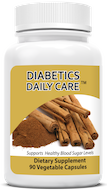
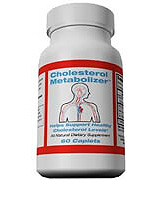
• Click Here to learn more about Cholesterol Metabolizer® a 100% natural, formula which safely and effectively improves serum cholesterol levels by lowering both "bad" cholesterol and triglycerides as well as increasing "good" cholesterol levels. It is the only product which contains the proven effectiveness of beta sitosterol, beta glucan, soy isoflavens and Chromax® (chromium picolinate) combined together in one formula. It is quite simply the most effective alternative to the dangerous, doctor prescribed, "Statin" drugs. Money Back GUARANTEE • Click Here to learn more about Diabetes Daily Care® a Unique, 100% Natural Formula, which Effectively and Safely Improves Sugar Metabolism in Type 1, Type 2, hyperglycemics and border-line diabetics. Diabetes Daily Care® combines the extracts of Cinnamon Bark, Banaba Leaf, Fenugreek, Gymnema Sylvestre and Mamordica with Alpha Lipoic Acid, Chromax® and Vanadium. There is no other natural diabetes formula out there which contains all of these proven ingredients together in the generous amounts that Diabetes Daily Care® provides.
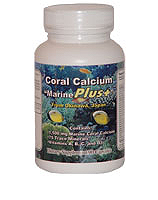
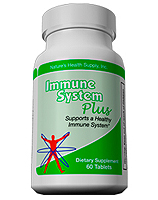
coral calciumCoral Calcium "Marine Plus" is identical to the "Coral Calcium Supreme" Bob Barefoot used to sell on the Shop America TV Infomercial, but serving size has been upgraded from 1,000 to 1,500 mg. Made at the same lab too (ProTech Lab) and comes in a 90-count bottle. Each 3 capsule serving contains 1,500 mg. of "marine grade" Coral Calcium from Okinawa, Japan + 816 iu's of Vitamin D as well as vitamins A, B, C & E + Aquamin, Cesium and folates. Click Here for more info about Bob Barefoot and Coral Calcium. Immune System Plus™ is an immune system enhancement formula based on Beta Glucan, which is extracted from oat and is unsurpassed in it's ability to defend our bodies from infection. Uniquely combined with Alpha Lipoic Acid, Tri Methyl Glycine, Colostrum and the extracts of Elderberry and Andographis, as well as Vitamins C and B12, Folate and Selenium . . . Immune System Plus™ provides your body what it needs to defend itself. Unlike many other immune enhancing products, Immune System Plus™ can be taken every day with no risk of "over-stimulating" your immune system.
• Click Here to learn more about Scott Kennedy and Sea Veg, a Pristine Ocean Blend combining the nutrients of the sea and sun in a convenient capsule form. It contains twelve nutritionally dense species of whole sea plants, chosen from 10,000 varieties harvested off the Irish coast. Sea Veg provides your cells with the most nutritionally potent and mineral rich family of plants on Earth. Click Here to learn more about
Dr Lorraine Day
and Barley Green
a whole food concentrate that contains all the nutrients and phytochemicals of green barley leaves in natural proportions. Barley Green has one of the widest spectrums of "naturally occurring" nutrients available in a single source, containing more than a dozen vitamins & enzymes, all essential amino acids, over 20 minerals and chlorophyll.
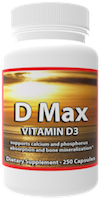
Click Here to learn about FlexProtex™ an all natural treatment for arthritis. Flexprotex™ provides nutritional support designed to help rebuild joints and reduce joint inflammation . . . easing minor every day aches and pains and enhancing flexibility. FlexProtex™ contains a powerful proprietary blend of stabilized rice bran derivatives, with non bovine glucosamine derivatives and herbs. • Click Here to learn about Vitamin D and it's role in regulating body levels of calcium and phosphorus, and in mineralization of bone, as well as the important factor Vitamin D has in immunity enhancement and cancer prevention.
D MAX
contains a whooping 5,000 iu's of Vitamin D3 per capsule.
Almighty Cleanse™ is one of the most effective colon cleansing products on the market today, helping thousands of people rediscover good health through whole body internal cleansing. Almighty Cleanse™ is a two part detoxifying system and is formulated to maximize one's elimination via frequent healthy bowel movements, without causing loose stools or uncomfortable cramping. • Generate fresh pure water from thin air! AWS™ uses air to water technology to convert ambient atmospheric water vapor into potable water. Designed with advanced proprietary ultrafiltration membrane technology, the DewPointe™ provides water in the purest form - much like crystal-like dew found only on the purest mountain tops.
Click for more info.
Watch Prostate Enlargement Video | Beta Sitosterol | Saw Palmetto | Testimonials | Compare
Order Now | FAQ | Affiliate Program | Home | Links | Top 100 Health Sites | Contact Us
Thank you for visiting Prostate-Miracle.com
Prostate-Miracle.com
(a division of Nature's Health Supply, Inc.)
P.O. Box 271
Camarillo, CA 93011-0271
Phone:
Toll-Free 1.877.965.2140
International 1.805.535.2301
sales@prostate-miracle.com
This information here within is designed to provide accurate information in regard to the subject matter covered. It is provided with the understanding that Nature's Health Supply, Inc is not engaged in rendering medical advice. If expert assistance is required, the services of a competent medical professional should be sought. These statements have not been evaluated by the Food and Drug Administration. These products are not intended to diagnose, treat, cure or prevent any disease. Always read and follow manufacturer's directions that come with this product.

You are protected by the FDA Dietary Supplement and Nonprescription Drug Consumer Protection Act

please call 877.965.2140 or Click here to report any Adverse Reaction with Prostate Miracle®.